


AR-VR Classroom

An AR-VR Classroom revolutionizes education by creating immersive, interactive, and experiential learning environments using Augmented Reality (AR) and Virtual Reality (VR) technologies. This cutting-edge approach allows students to step inside complex concepts, explore virtual worlds, and interact with simulations in a way that traditional teaching methods can’t achieve.
From walking through the human heart to exploring ancient civilizations or conducting virtual science experiments, AR-VR classrooms bridge the gap between theory and real-world understanding.
🚀 Key Features of an AR-VR Classroom
- Immersive Virtual Simulations – Explore environments, processes, and concepts in 360°
- Augmented Reality Experiences – Overlay digital content on the physical world via tablets or AR glasses
- Interactive 3D Models – Manipulate objects, organs, molecules, and machinery
- Curriculum-Aligned Modules – Designed for K-12, higher education, and vocational training
- Multi-Device Compatibility – Supports VR headsets, smartphones, tablets, and smartboards
- Teacher Dashboard & Analytics – Track student engagement and learning progress
🎯 Educational Advantages
- Deeper Engagement & Curiosity – Learners become active participants, not just observers
- Improved Retention & Understanding – Visual-spatial learning improves memory and concept clarity
- Safe, Risk-Free Exploration – Conduct hazardous experiments or visit remote places virtually
- Supports All Learning Styles – Visual, auditory, and kinesthetic learners all benefit
- Encourages Creativity & Problem Solving – Interactive scenarios foster critical thinking
🏫 Ideal for
- Schools & Smart Classrooms – Making science, history, and geography immersive
- Medical & Engineering Colleges – Simulating surgeries, structures, and systems
- Vocational & Skill-Based Training – Simulating work environments for hands-on practice
- Museums & Learning Centers – Interactive exhibits for education and engagement
Be the first to review “AR-VR Classroom”
Related products
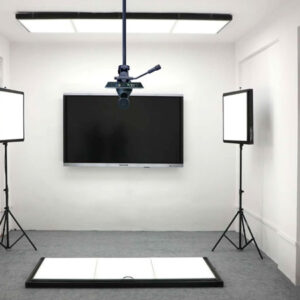
Educational Solutions
Educational Solutions
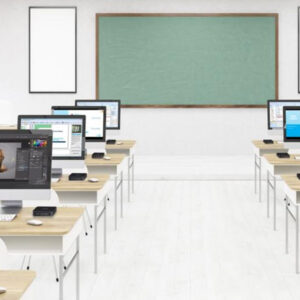
Educational Solutions

Educational Solutions

Educational Solutions
Reviews
There are no reviews yet.